
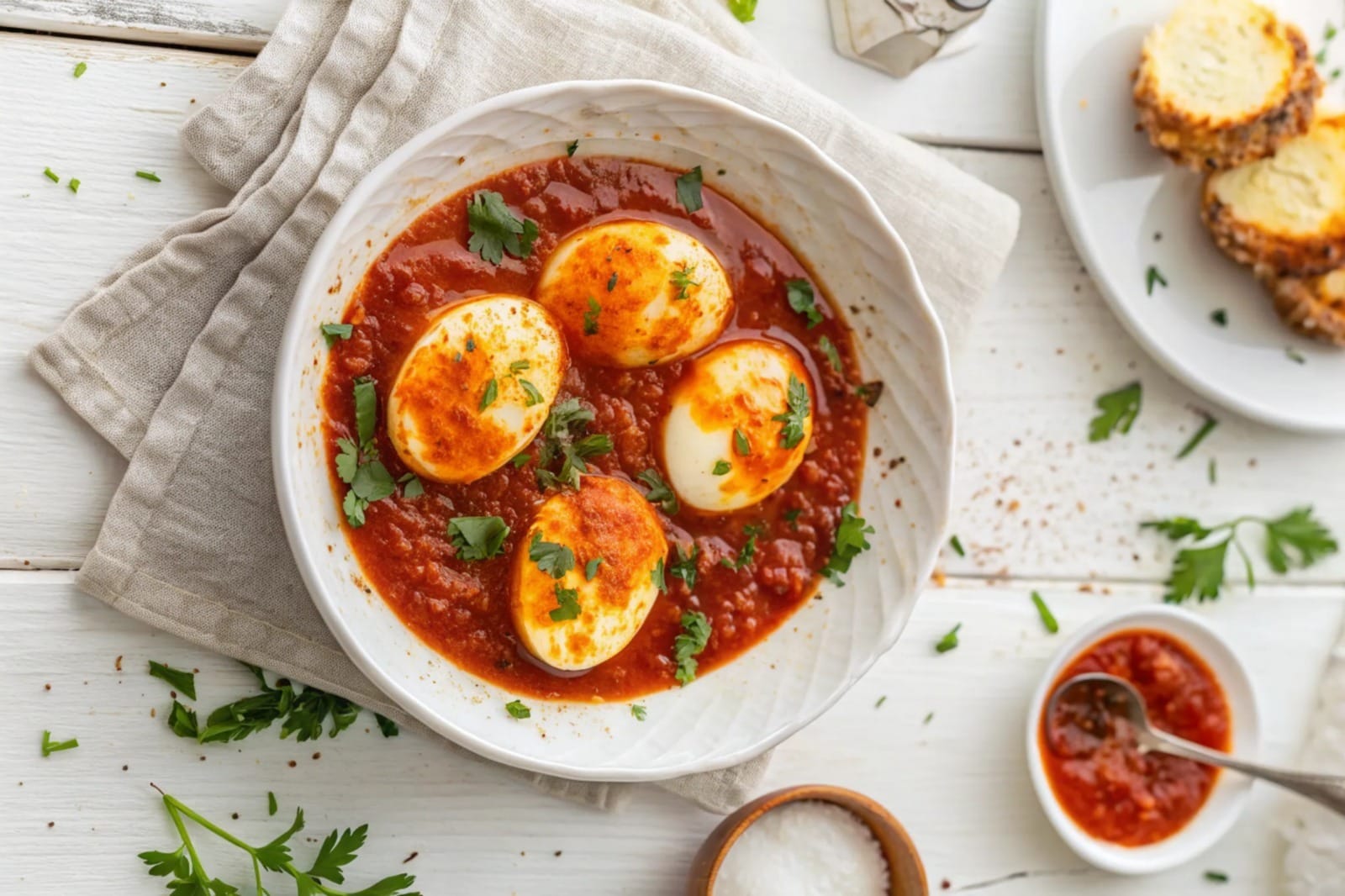
When I first became a mom, I craved easy, nutritious meals that could be whipped up quickly. One of the staples in our household became perfectly boiled eggs. Not only are they versatile and delicious, but they also provide a healthy protein-packed snack for my kids. Today, we’ll dive into the art of boiling eggs, ensuring they turn out perfectly every time, making them a go-to option for busy families.
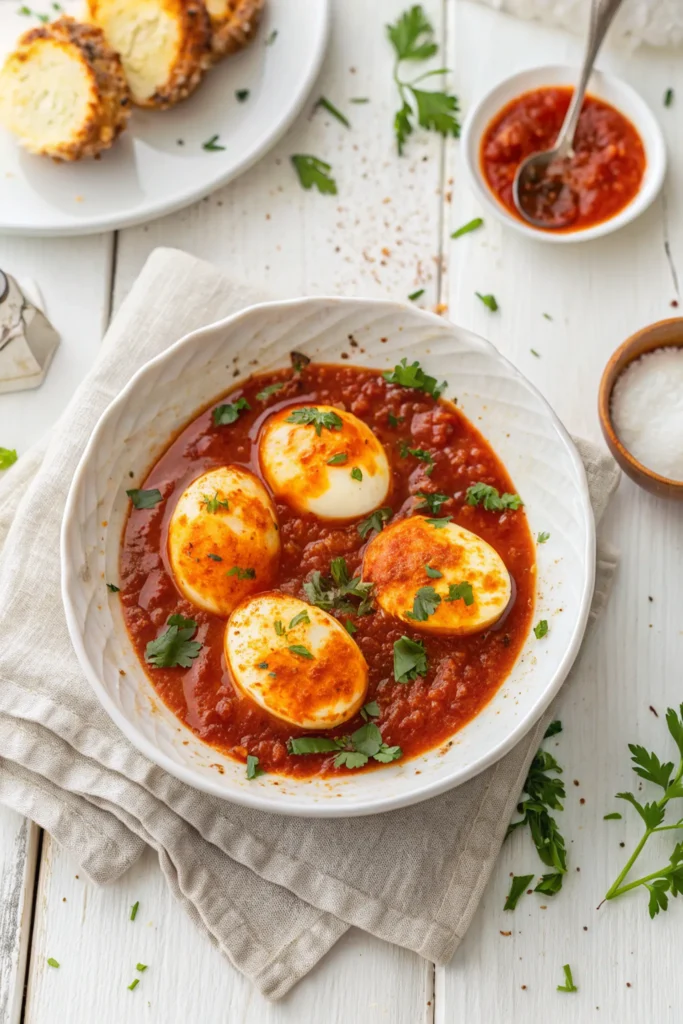
Why You’ll Love This Boiled Eggs Recipe
Boiled eggs are an absolute kitchen hero for several reasons. They are incredibly easy to prepare and can be made in bulk, ensuring you have protein-rich snacks on hand throughout the week. Whether you’re adding them to salads, making egg salad sandwiches, or simply enjoying them with a sprinkle of salt, their comforting flavor always hits the spot. Plus, boiling eggs requires minimal ingredients and very little time—perfect for busy moms and home cooks.
What Makes This Recipe Special
What truly sets this boiled eggs recipe apart from others is its simplicity and versatility. The texture can range from soft and creamy to firm and crumbly, depending on your personal preference, making boiled eggs a perfect base for various dishes. Additionally, they can be enhanced with different seasonings and sides, allowing you to mix up your breakfast or snack routine. Whether it’s a classic deviled egg or a gourmet salad, these eggs never fail to impress.
Ingredients Overview
The beauty of boiling eggs is in its simplicity. Here’s what you will need:
- Eggs: Fresh, large eggs are typically the best choice for boiling.
- Water: Enough to cover the eggs in your chosen pot.
- Salt (optional): Some add salt to the water to help prevent the shells from cracking.
- Ice Water: For the ice bath to stop the cooking process and make peeling easier.
Step-by-Step Instructions
Here’s a basic guide to boiling eggs perfectly:
- Select Your Eggs: Opt for large, fresh eggs for the best flavor.
- Prepare the Pot: Fill a pot with enough water to cover the eggs by about an inch.
- Add the Eggs: Gently place the eggs in the pot to avoid cracking.
- Heat the Water: Bring the water to a rolling boil over medium-high heat.
- Cover and Cook: Once boiling, cover the pot and turn off the heat.
- Set a Timer:
- For soft-boiled eggs: 4 to 6 minutes
- For medium-boiled eggs: 6 to 9 minutes
- For hard-boiled eggs: 9 to 12 minutes
- Prepare Ice Bath: While the eggs are cooking, fill a bowl with ice water.
- Cool the Eggs: Once the timer goes off, transfer the eggs to the ice bath immediately to stop cooking.
- Peel and Enjoy: After they’ve cooled for about five minutes, peel the eggs and enjoy them on their own or use them in your favorite recipes.
more recipe
Pro Tips and Variations
- Storage Tips: Hard-boiled eggs can be stored in the refrigerator for up to a week. Just keep them unpeeled in a covered container.
- Substitutions: If you’re out of eggs, consider using egg substitutes for recipes that call for boiled eggs.
- Flavor Variations: Experiment with different seasonings like paprika, dill, or even hot sauce for a flavor twist!
Serving Suggestions
Boiled eggs can shine in countless ways. Here are some practical ideas to enjoy them:
- Simple Sides: Pair them with a sprinkle of salt and pepper for a quick snack.
- In Salads: Chop them up and mix them into a hearty salad for added protein.
- Egg Salad: Mash them with mayonnaise, mustard, and celery, perfect for sandwiches or alone.
- Deviled Eggs: Halve cooked eggs and mix the yolks with mayo and seasoning for a classic appetizer.
Common Mistakes to Avoid
To achieve the perfect boiled eggs, steer clear of these common pitfalls:
- Overcooking: This causes a greenish tint around the yolk and rubbery texture. Follow the timing guidelines closely.
- Rapid Boil: Adding eggs to rapidly boiling water can result in cracked shells. Always start with cold water.
- Skipping the Ice Bath: Failing to cool the eggs immediately means continued cooking and can lead to challenging peeling.
FAQs
1. How do I know when my boiled eggs are done?
Timing is key! For soft-boiled eggs, check at around 4-6 minutes, while hard-boiled eggs should be ready by 9-12 minutes.
2. What’s the best method to peel hard-boiled eggs?
Cool the eggs in an ice bath for about five minutes after cooking, then gently tap and roll them on the countertop to crack the shell before peeling.
3. Can I boil eggs directly from the refrigerator?
Yes, but you may need to adjust cooking times slightly, as cold eggs will lower the water temperature.
4. How can I prevent eggs from cracking while boiling?
Ensure that you bring the water to a boil gently and place the eggs in the pot carefully. You can also use older eggs, which tend to peel easier, as they have a larger air cell.
Conclusion
Perfectly boiled eggs are not just a snack; they’re a versatile addition to any meal, whether it’s breakfast, lunch, or dinner. With this guide, you can master the technique and offer your family delicious and nutritious meals in no time. Embrace the joy of cooking with this easy boiled egg method, turning them into your favorite go-to recipe for any occasion. Enjoy every bite, knowing that perfectly boiled eggs are right at your fingertips!
Perfectly Boiled Eggs
Ingredients
Main Ingredients
- 6 large Fresh large eggs
- Enough to cover eggs Water Fill a pot with enough water to cover the eggs by about an inch.
- 1 teaspoon Salt (optional) Add to water to help prevent shells from cracking.
- 1 bowl Ice Water For the ice bath to stop cooking and ease peeling.
Instructions
Boiling the Eggs
- Select your eggs: Opt for large, fresh eggs for the best flavor.
- Prepare the pot: Fill a pot with enough water to cover the eggs by about an inch.
- Add the eggs: Gently place the eggs in the pot to avoid cracking.
- Heat the water: Bring the water to a rolling boil over medium-high heat.
- Cover and cook: Once boiling, cover the pot and turn off the heat.
- Set a timer: For soft-boiled eggs: 4 to 6 minutes; for medium-boiled eggs: 6 to 9 minutes; for hard-boiled eggs: 9 to 12 minutes.
- Prepare ice bath: While the eggs are cooking, fill a bowl with ice water.
- Cool the eggs: Once the timer goes off, transfer the eggs to the ice bath immediately to stop cooking.
- Peel and enjoy: After they’ve cooled for about five minutes, peel the eggs and enjoy.