

Bad scones make you question breakfast.
This Homemade Scones Recipe fixes all of that.
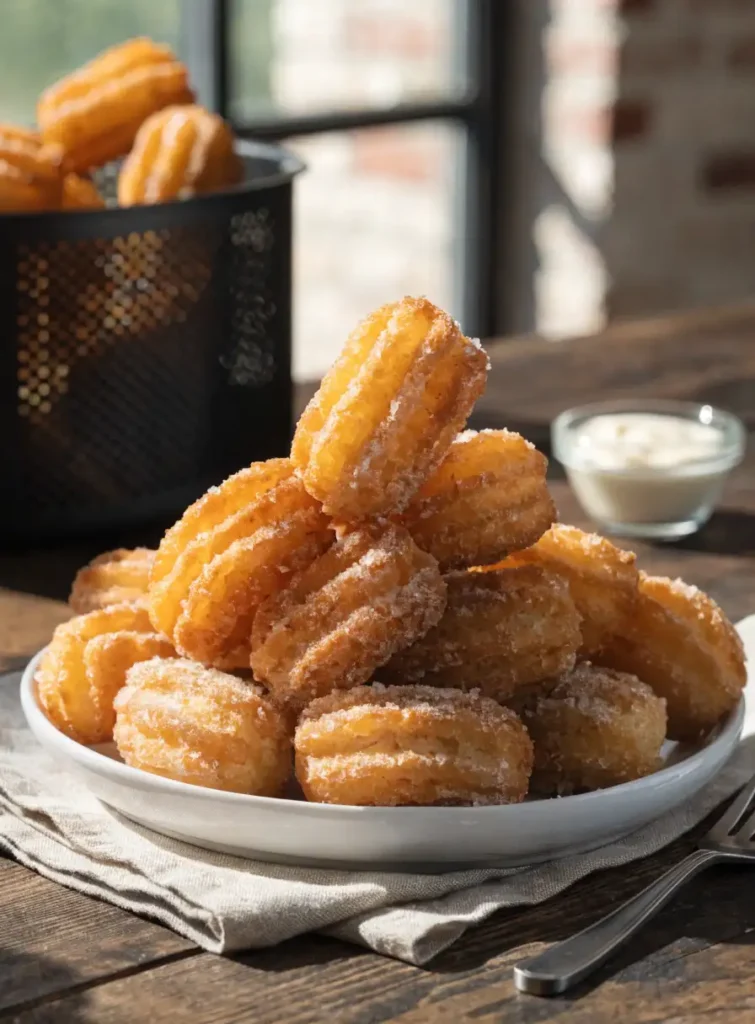
No gimmicks. Bakery-quality, flaky, buttery scones every time — reliable, simple, and endlessly adaptable. If you want to pair them with coffee, tea, or jam (and impress guests), this is the recipe to learn. For a fun twist on quick treats, also check out this crispy Air Fryer Churro Bites suggestion I tried alongside a brunch board.
Why This Scones Recipe Works Every Time
This method balances three critical things: cold fat, minimal handling, and the right liquid ratio. Cold butter creates pockets of steam in the oven, which gives flaky scones. A light touch prevents gluten overdevelopment so they stay tender. And a measured wet-to-dry ratio keeps them moist without being heavy — that’s why these scones rise nicely and have that bakery-style crumb.
Benefits in bullet points (Scones Recipe)
- Buttery, flaky scones every batch.
- Fast: mixes in one bowl.
- Versatile: sweet or savory variations.
- Beginner-friendly technique.
- Keeps well and freezes beautifully.
Ingredients for the Best Scones Recipe
- 2 cups (250g) all-purpose flour — structure.
- 1/4 cup (50g) granulated sugar — sweetness and browning.
- 1 tbsp baking powder — lift and lightness.
- 1/2 tsp salt — balances flavor.
- 6 tbsp (85g) cold unsalted butter, diced — creates flakiness (keep very cold).
- 3/4 cup (180ml) heavy cream plus extra for brushing — richness, tenderness, and browning.
- 1 large egg — binding and color.
- 1 tsp vanilla extract — flavor (optional for sweet scones).
Purpose notes: measure flour by spooning into the cup and leveling. Cold butter is essential — warm butter ruins texture.
How to Make This Scones Recipe Step by Step
- Preheat oven to 425°F (220°C). Line a baking sheet with parchment. Keep everything cold before baking.
- Whisk flour, sugar, baking powder, and salt in a large bowl. Cold, dry mix ensures even leavening.
- Cut in cold butter with a pastry cutter or two forks until pieces are pea-sized; a few larger bits are okay — they make flaky layers. Tip: Work quickly; use frozen butter for extra lift.
- Whisk cream, egg, and vanilla in a measuring cup. Pour into dry ingredients and stir until just combined. Do not overmix — dough should be slightly shaggy and sticky. If too dry, add 1 tbsp more cream.
- Turn dough onto lightly floured surface. Pat into a 1-inch (2.5cm) thick circle. Fold the dough over once or twice for layers, then pat again — this creates laminations for flaky scones. Tip: keep hands cool; warm hands soften butter.
- Cut into 8 wedges or use a 2.5-inch cutter for rounds. Transfer to baking sheet, spaced 1 inch apart. Brush tops with extra cream for shine.
- Bake 12–16 minutes until golden and risen. Cool briefly on a rack — too hot to slice cleanly but cool enough to finish setting. Tip: rotate halfway for even browning.
For a savory spin, add 1/2 cup grated cheddar and 2 tbsp chopped chives before shaping, or fold in 1/3 cup dried fruit and a pinch of cinnamon for sweet scones. For flaky layers, try folding the dough 2–3 times like a rough puff.
Pro Tips for Perfect Scones Recipe Results
- Keep everything cold. Chill bowls and butter if your kitchen is warm.
- Minimal mixing = tender scones. Stop when dough holds together.
- Use heavy cream for richness; milk will work but yields less tender results.
- Score whole circle before cutting to keep wedges uniform.
- Bake straight from the fridge if you want extra rise.

Common Mistakes in Scones Recipe and How to Fix Them
- Dry, crumbly scones: Too little liquid or overbaked. Fix: add 1 tbsp cream to the dough next time; check oven temp with a thermometer.
- Dense scones: Overmixing develops gluten. Fix: stir minimally and pat gently.
- No rise: Old baking powder or too-warm butter. Fix: use fresh leavening and cold butter.
- Heavy texture: Too much flour packed into cups. Fix: spoon and level flour; don’t compress.
How to Store and Freeze This Scones Recipe
- Room temp: Store in a sealed container for up to 2 days; reheat gently in a 300°F oven for 5–7 minutes.
- Fridge: Keeps 3–4 days; bring to room temp and refresh in the oven.
- Freezer: Flash-freeze on a tray, then transfer to a freezer bag for up to 3 months. Reheat from frozen in a 350°F oven for 12–15 minutes. Tip: freeze unglazed, then glaze after reheating.
Flavor Variations for This Scones Recipe
Sweet ideas: lemon zest and blueberry, chocolate chip and orange, cinnamon-raisin.
Savory ideas: cheddar-chive, bacon and maple, rosemary-parmesan.
Mix-ins: fold in dried fruit, nuts, cheese, or fresh herbs — don’t overfill or dough gets wet.
FAQs About This Scones Recipe
Q: Why are my scones recipe results dry?
A: Dry scones usually mean too much flour or not enough liquid, or overbaking. Measure flour correctly and stop baking when lightly golden. Add a tablespoon more cream next batch if needed.
Q: Can I make this scones recipe without heavy cream?
A: Yes — use whole milk plus 2 tbsp melted butter per 3/4 cup milk for added richness, or sour cream for tang and tenderness. Results will be slightly less rich than heavy cream.
Q: How do I get flaky layers in a scones recipe?
A: Keep butter cold, cut it into pea-sized pieces, and fold the dough a couple of times before shaping. Those butter pockets steam in the oven and create laminations.
Conclusion: Mastering This Scones Recipe
You’ve got a dependable, bakery-style scones recipe now — flaky, buttery, and flexible. Practice the cold-butter, minimal-mix technique and you’ll be surprised how quickly perfect scones become your go-to. For more brunch ideas and treats that pair wonderfully with scones, I often test recipes like the Air Fryer Churro Bites recipe from The Country Cook and the Churro Bites {Air Fryer OR Oven!} from Dance Around the Kitchen — both are great for sweet boards and entertaining. Tell me how your batch turns out or share your favorite mix-in below.