
We’ve all bitten into disappointing scones. They promise buttery flakes and deliver chalk.
This Homemade Scones Recipe fixes that. Bakery-quality texture, reliable rise, and real flavor. Follow this once and you’ll think: this is the only scone recipe I need.
If you like brunch experiments, you might also enjoy a sweet drink pairing like this brown sugar milk boba recipe that complements buttery scones.
Why This Scones Recipe Works Every Time
This recipe balances three things that make or break scones: the fat, the liquid, and the handling. Cold butter creates flaky layers. Just enough liquid holds crumbs together without making them heavy. Minimal handling keeps texture light. I use a short mixing time, coarse grate for the butter, and a simple egg-and-cream binder to get reliable results. Little technique, big payoff.
Benefits of This Scones Recipe
- Flaky scones with a tender interior and crisp top.
- Easy scone dough you can shape in minutes.
- Versatile: sweet or savory base.
- No rolling pin required—faster, less handling.
- Predictable results for beginners and pros.
Focus on texture, ease, and versatility: these scones are buttery, tender, and tolerant of small mistakes.
Ingredients for the Best Scones Recipe
Dry ingredients:
- 2 1/2 cups (312g) all-purpose flour — structure and tender crumb.
- 1/4 cup (50g) granulated sugar — flavor + slight browning.
- 1 tbsp baking powder — lift and lightness.
- 1/2 tsp salt — balances sweetness.
Fat:
- 6 tbsp (85g) cold unsalted butter, grated — cold fat = flaky layers. Grating is faster than cubing and keeps dough cool.
Liquid:
- 2/3 cup heavy cream plus 1 egg (for the dough) — cream gives tenderness and flavor; egg adds structure and color.
- 1 tsp vanilla extract (for sweet scones) or 1 tsp Dijon (for savory) — flavor boost.
Optional mix-ins:
- 3/4 cup berries, chocolate chips, or grated cheese — add at the last moment to avoid crushing berries.
Purpose notes: keep butter cold; measure flour correctly; baking powder is your lift—make sure it’s fresh.
How to Make This Scones Recipe Step by Step
- Preheat oven to 425°F (220°C). Line a baking sheet with parchment. Cold oven heat helps lift.
- Whisk flour, sugar, baking powder, and salt in a bowl. Sift if you want a lighter mix.
- Grate cold butter into the dry mix. Toss briefly with fingers to coat. This creates pea-sized butter pieces—exactly what you want.
- Whisk cream, egg, and vanilla together. Pour into the dry mix and fold gently with a spatula until just combined. Small streaks of butter are fine. Tip: use a light hand. Overmixing = dense scones.
- Fold in mix-ins quickly. If using berries, toss them in a spoonful of flour first to prevent bleeding.
- Turn dough onto a lightly floured surface. Pat into a 7-8 inch disk about 1 inch thick. Do not roll—patting preserves layers.
- Cut into 8 wedges with a sharp knife. Transfer wedges to the sheet with space between. Brush tops with cream for shine.
- Bake 12–16 minutes until golden on top. Rotate once for even color. Cool slightly on a rack; scones continue to set as they cool.
Small tips inside steps: keep ingredients cold, work quickly, and use a hot oven to encourage lift.
Pro Tips for Perfect Scones Recipe Results
- Use chilled tools and bowl if your kitchen is warm.
- Grate butter instead of cubing—faster and keeps dough cooler.
- Don’t skip chilling if the butter softens; pop the disk in the fridge for 10 minutes.
- Brush with cream, not milk, for better browning.
- For flakier layers, fold the dough over itself once before patting into a disk.
- Want crisp edges? Bake on a preheated baking steel or a hot sheet pan—more contact = crisper bottom. For edge finish inspiration, see these cookie perfection steps that translate well to scone edges.
Common Mistakes in Scones Recipe and How to Fix Them
Dry, crumbly scones — Cause: too much flour or not enough liquid. Fix: add 1–2 tbsp cream to the dough and re-shape gently.
Flat scones — Cause: old baking powder or overworked dough. Fix: use fresh leavening and minimal handling.
Heavy, dense scones — Cause: overmixing. Fix: mix until just combined; aim for shaggy dough.
Soggy bottoms — Cause: underbaked or wet filling. Fix: bake longer on a lower rack or reduce wet add-ins.
Explaining why: flour absorbs liquid and gluten develops with agitation. Keep balance and handling low.
How to Store and Freeze This Scones Recipe
Room temp: Store in an airtight container for up to 2 days. Warm briefly before serving.
Fridge: Keep up to 4 days—reheat in a 325°F oven for 5–7 minutes.
Freezer: Freeze baked scones wrapped in foil and placed in a freezer bag up to 3 months. Reheat from frozen at 350°F for 12–15 minutes. You can also freeze unbaked wedges on a tray, then bag; bake from frozen adding a few minutes to time.
Flavor Variations for This Scones Recipe
Sweet ideas:
- Lemon zest + blueberry + glaze.
- Cinnamon + brown sugar + raisins.
Savory ideas: - Cheddar + chives + cracked pepper.
- Sun-dried tomato + Parmesan + basil.
Keep mix-ins small and dry to avoid soggy dough. Swap extracts and cheeses to shift the profile.
Conclusion: Mastering This Scones Recipe
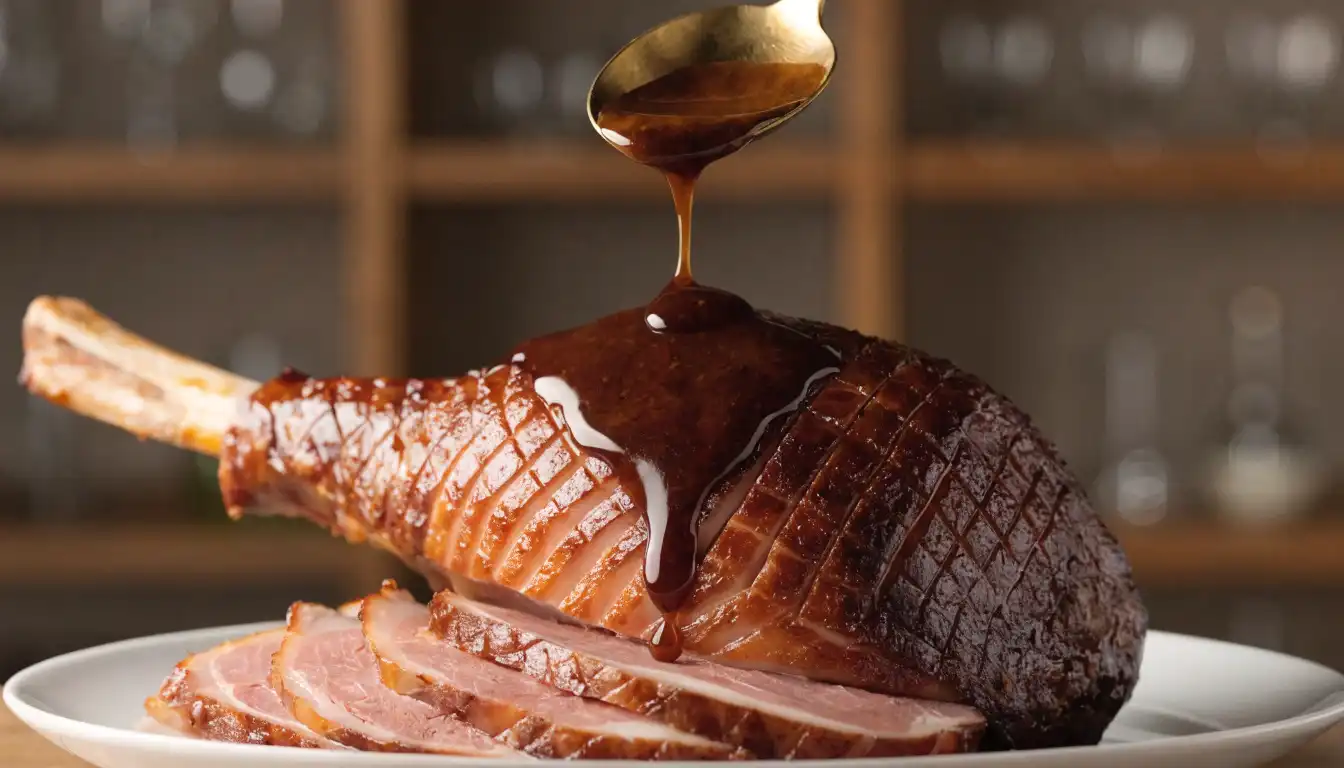
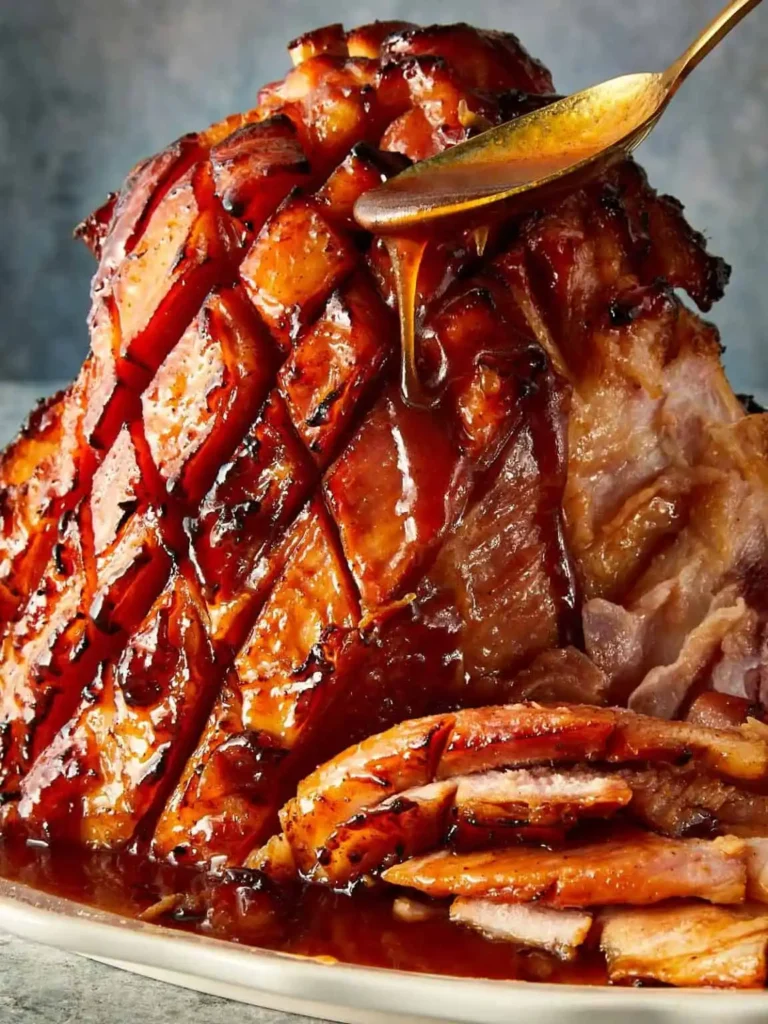
This Scones Recipe is simple, forgiving, and endlessly adaptable. Once you master the basic technique—cold butter, minimal handling, hot oven—you can make flaky scones any morning. If you’re planning a special brunch, these scones pair beautifully with savory mains like a glazed ham; try the Brown Sugar Mustard Glazed Ham – Foolproof Christmas Recipe for a show-stopping centerpiece or the Brown Sugar and Mustard Ham Glaze Recipe – Allrecipes for a quick alternative. Leave a comment with your favorite mix-in and share this recipe if it becomes your go-to.
Perfect Brown Sugar Mustard Glazed Ham tag.
FAQs About This Scones Recipe
Q: Why are my scones recipe results dry?
A: Dry scones usually mean too much flour or not enough liquid. Measure flour properly (spoon and level), and add 1–2 tablespoons of cream if the dough seems crumbly.
Q: Can I make this scones recipe without heavy cream?
A: Yes. Substitute whole milk plus an extra egg yolk for richness, or use half-and-half. Expect a slightly less tender crumb but still tasty scones.
Q: How do I get flaky layers in a scones recipe?
A: Flaky layers come from cold butter in small pieces and minimal handling. Grate cold butter, leave pea-sized bits, pat instead of roll, and bake in a hot oven.