
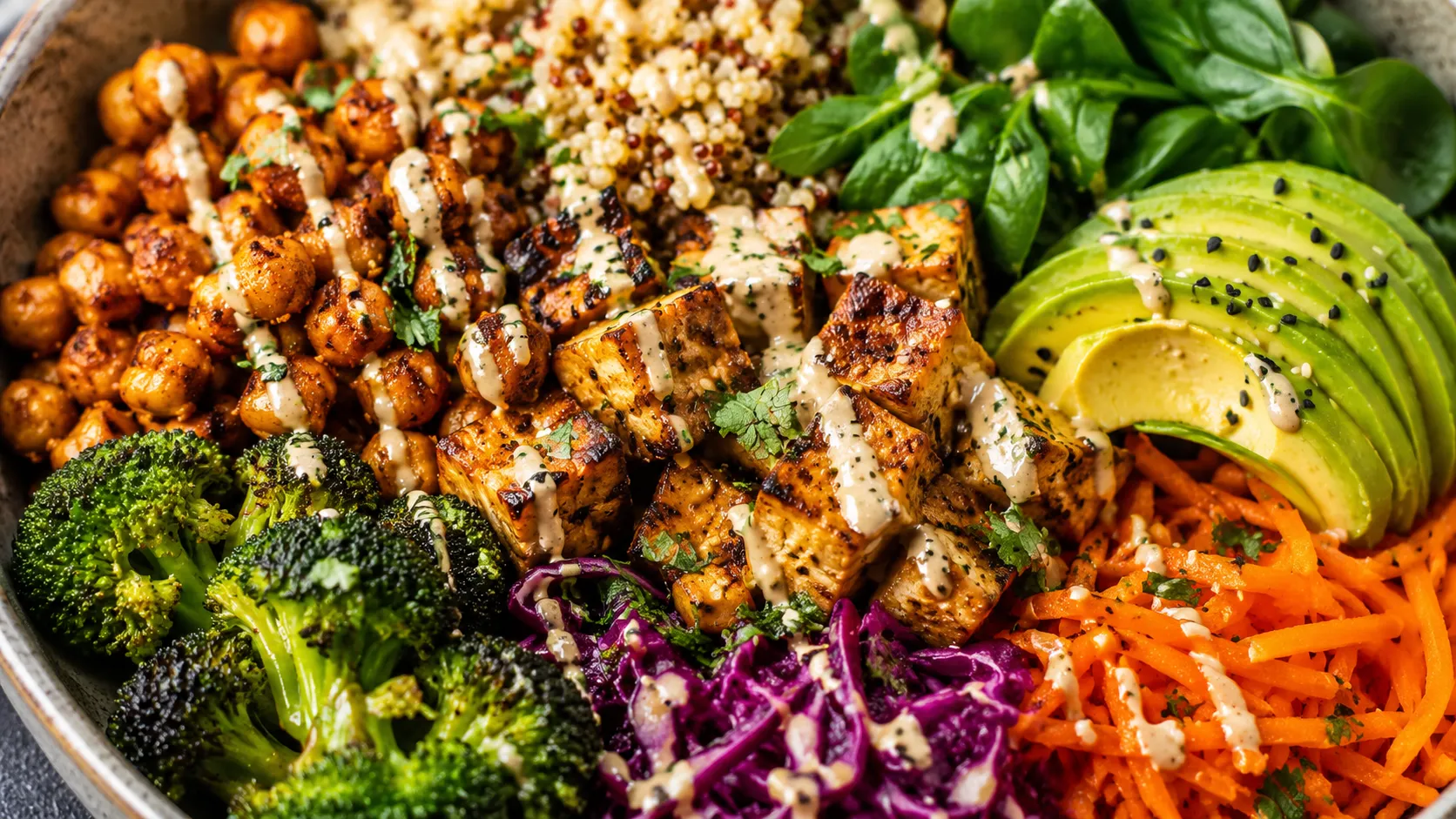
Tired of vegan meals that leave you hungry an hour later? You’re not alone. It’s the number one complaint about eating plant-based — and it’s also completely solvable. Enter the plant-based protein bowl: a single dish that layers grains, plant protein, roasted or raw vegetables, and a bold sauce into one seriously filling, nutrient-dense meal. No meat, no dairy, no problem.
This isn’t a bland pile of chickpeas and lettuce. A well-built plant-based protein bowl delivers 25 to 30+ grams of protein per serving, tons of fiber, and enough flavor to make even committed meat-eaters ask for the recipe. Whether you’re meal-prepping for the week or just want a quick, healthy dinner tonight, this bowl formula works every time.
Why Plant-Based Protein Bowls Are Everywhere Right Now
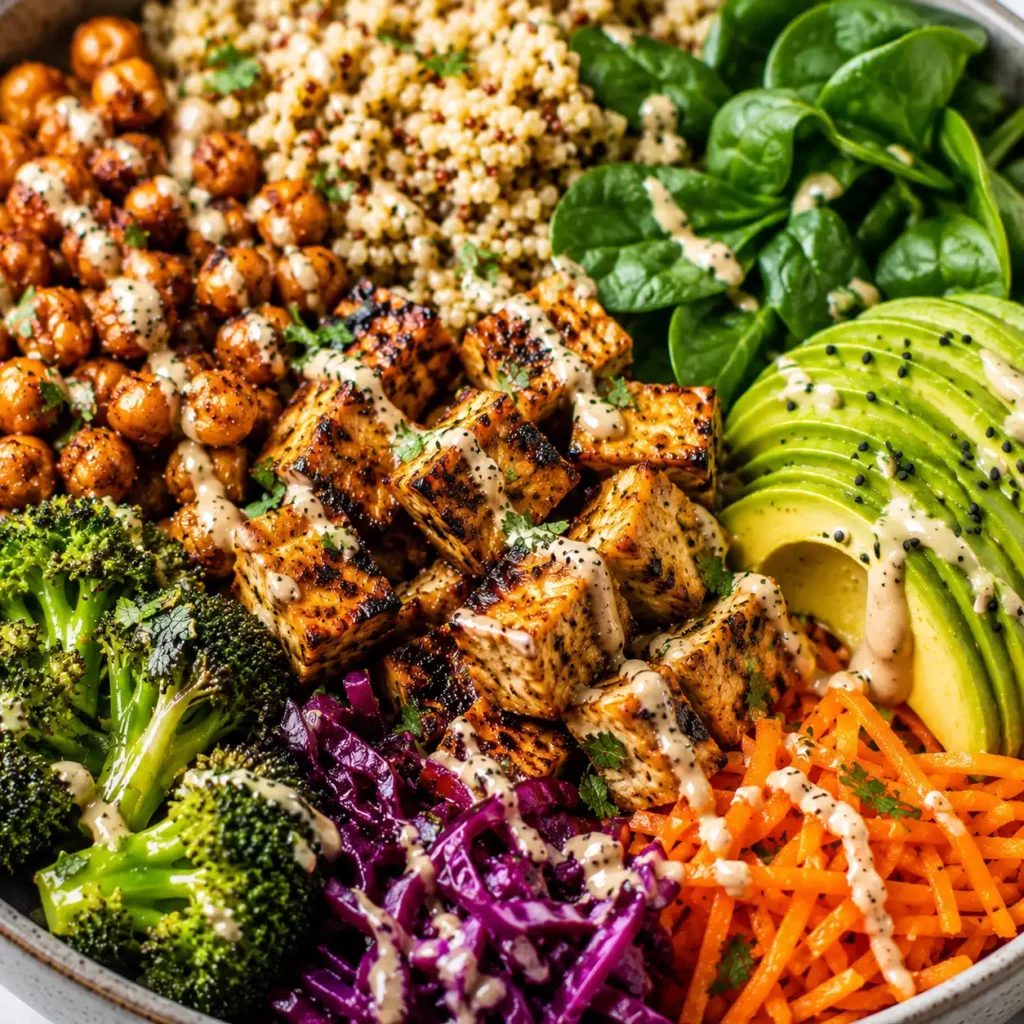
Plant-based protein bowls have become a staple across the healthy-eating world, and it’s easy to see why. They’re endlessly customizable, they store beautifully for meal prep, and they solve the biggest challenge of vegan eating: getting enough protein without relying on processed meat substitutes.
Here’s why this plant-based protein bowl deserves a permanent spot in your meal rotation:
- High in protein — combining two or more plant proteins (like tofu + quinoa, or lentils + edamame) gets you to 25g+ per bowl
- Naturally high in fiber — keeps you satisfied for hours, not just minutes
- Meal-prep friendly — components store separately for up to 5 days
- Totally customizable — swap grains, proteins, veggies, and sauces to match whatever’s in your fridge
- Budget-friendly — beans, tofu, and grains are some of the cheapest protein sources available
The 5-Part Formula for a Perfect Plant-Based Protein Bowl
Every great protein bowl follows the same basic structure. Once you know the formula, you’ll never need a recipe again.
1. The base (grains or greens) Start with ¾ to 1 cup of a cooked whole grain — quinoa, brown rice, farro, or bulgur all work well. Prefer something lighter? Swap in a bed of leafy greens like spinach or kale.
2. The plant protein This is where the bowl earns its name. Aim for at least one, ideally two, protein sources:
- Baked or pan-seared tofu
- Tempeh crumbles
- Black beans, chickpeas, or lentils
- Edamame
3. The vegetables Roasted, steamed, or raw — vegetables add color, texture, and micronutrients. Sweet potatoes, broccoli, bell peppers, cucumber, and carrots are all excellent choices.
4. The sauce A good sauce is what turns separate ingredients into a cohesive, craveable bowl. Popular options include tahini-lemon dressing, spicy peanut sauce, or a creamy cashew dressing.
5. The crunch and finish Top with seeds, nuts, or crispy roasted chickpeas for texture, plus fresh herbs for brightness.
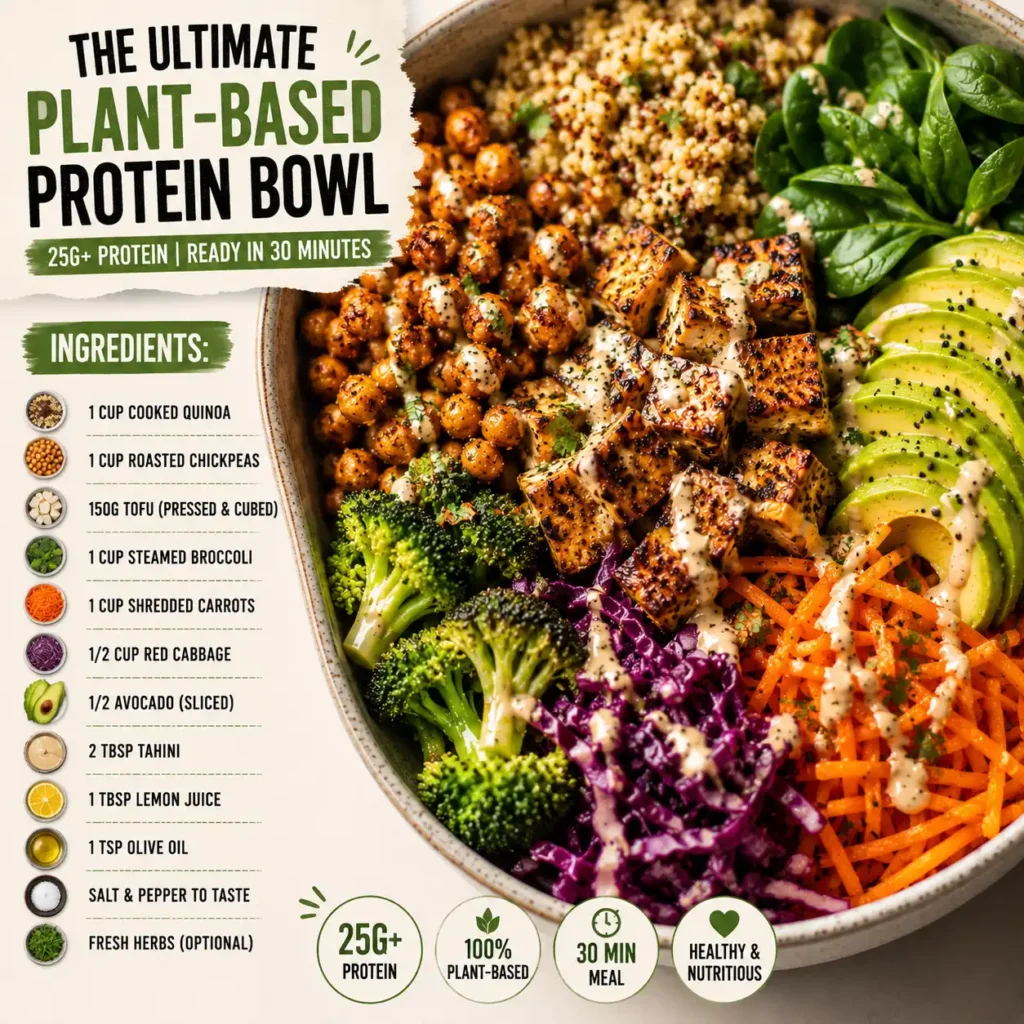
Sample Plant-Based Protein Bowl Recipe
Ingredients (serves 2):
- 1 ½ cups cooked quinoa
- 1 block firm tofu, cubed and baked until crispy
- 1 cup roasted sweet potato cubes
- 1 cup steamed broccoli
- ½ cup shelled edamame
- 2 tbsp sesame seeds
- Fresh cilantro, for garnish
For the sauce:
- 3 tbsp tahini
- 2 tbsp lemon juice
- 1 tbsp maple syrup
- 1 clove garlic, minced
- Water, to thin
Instructions:
- Cook the quinoa according to package instructions.
- Toss tofu cubes in a little oil and cornstarch, then bake at 400°F (200°C) for 20-25 minutes until crispy.
- Roast the sweet potato cubes alongside the tofu until tender.
- Steam the broccoli and thaw the edamame under warm water.
- Whisk together the tahini, lemon juice, maple syrup, garlic, and enough water to make a pourable sauce.
- Divide quinoa between two bowls, then arrange the tofu, sweet potato, broccoli, and edamame on top.
- Drizzle generously with the tahini sauce, then finish with sesame seeds and cilantro.
Tips for the Best Plant-Based Protein Bowl
- Batch-cook your grains and proteins at the start of the week so assembly takes minutes.
- Store components separately in the fridge for up to 5 days, then combine right before eating for the best texture.
- Double up on protein sources. Pairing a grain like quinoa (a complete protein on its own) with beans or tofu pushes your total protein noticeably higher.
- Don’t skip the sauce. It’s the single biggest flavor upgrade you can make to any bowl.
Variations to Try
- Mediterranean protein bowl: chickpeas, cucumber, tomato, hummus, and a lemon-oregano dressing
- Asian-inspired protein bowl: edamame, tofu, shredded carrot, and a spicy peanut sauce
- Tex-Mex protein bowl: black beans, corn, avocado, and a chipotle-lime dressing
- Mediterranean-Middle Eastern bowl: lentils, roasted eggplant, tahini, and a za’atar sprinkle
Final Thoughts
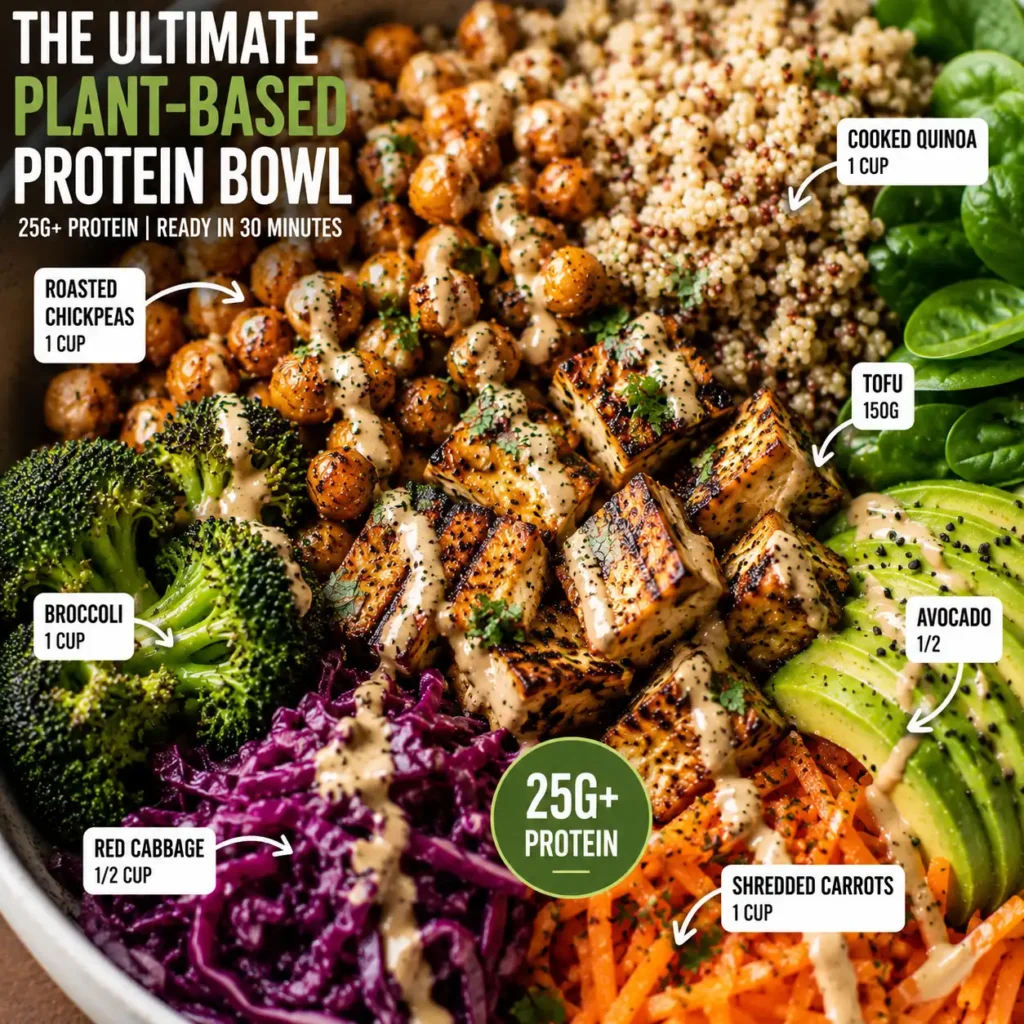
The plant-based protein bowl proves that eating vegan doesn’t mean sacrificing protein, flavor, or satisfaction. With a simple five-part formula — grain, protein, vegetables, sauce, and crunch — you can build endless variations using whatever you have on hand. Once you master the basic structure, this becomes less of a recipe and more of a go-to method you’ll return to again and again.
Try building your own plant-based protein bowl this week, and let us know your favorite combination in the comments!